Oil prices eased after hitting the highest level since 2022 amid the Iran war

Former JP Morgan Chase chief economist Anthony Chan downplays rising oil prices in ‘Varney & Co.’
Oil prices rose briefly to above $100 a barrel on Monday amid the ongoing war in Iran, before falling sharply, underscoring how early fears of supply disruptions have subsided as contingency plans emerge.
Before the outbreak of war with Iran, oil was trading in the range of $60 to $70 a barrel, but prices rose after the start of the conflict, with crude oil futures hitting as high as $115 a barrel on Monday – the highest level since 2022 when Russia invaded Ukraine.
Early headlines suggested global Brent crude could reach $150 a barrel due to a supply shock, although trading data showed the spike was short-lived. Crude prices were down 8%, and West Texas Intermediate was down nearly 9% on Tuesday afternoon.
HOW A WAR WITH IRAN COULD HIT AMERICANS’ FOOD MONEY
Phil Flynn, senior market analyst at Price Futures Group and a contributor to FOX Business, said in an interview that the buying spree came after reports of strikes on tankers and refineries.
“But I think as the day went on overnight, the market realized that maybe things aren’t so bad – the US has a wonderful military victory, President Trump is saying, ‘hey, you know what, the war probably won’t last long.’ Another indication is that the world should not just sit back and take it,” he said.
Oil prices rose amid uncertainty caused by the Iran war, although prices have since fallen. (Giuseppe Cacace/AFP via Getty Images/Getty Images)
Leaders from the G7 nations and the International Energy Association (IEA) discussed the possible release of oil reserves to respond to a possible price shock or shortage in the market on Monday and Tuesday, concluding that they did not plan to do so immediately while saying they were ready to take “important steps” to support the oil market if needed.
WILL BUYING OIL OVERCOME GAS PRICE INCREASE?
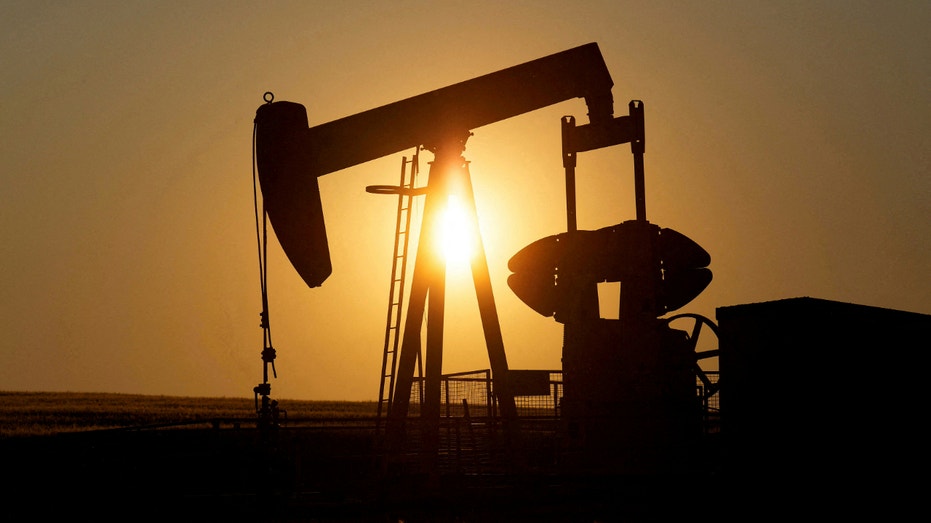
Oil production may increase over the next two years due to price shocks caused by the Iran war, the EIA said. (Reuters/Todd Korol)
“We have the possibility of a coordinated release from the G7 and the IEA for oil reserves that could cool prices,” Flynn noted. “There are a lot of things that happen that usually happen when prices go up that can bring the price down very quickly.”
He added that Saudi Arabia is building its east-west pipeline to avoid threats in the Persian Gulf and the Strait of Hormuz and has increased its capacity to 7 million barrels per day, which is expected to be fully operational in days.
FED OFFICIALS WATCH IRAN DEBATE FOR POTENTIAL EFFECT OF FINANCIAL AUTOMATION
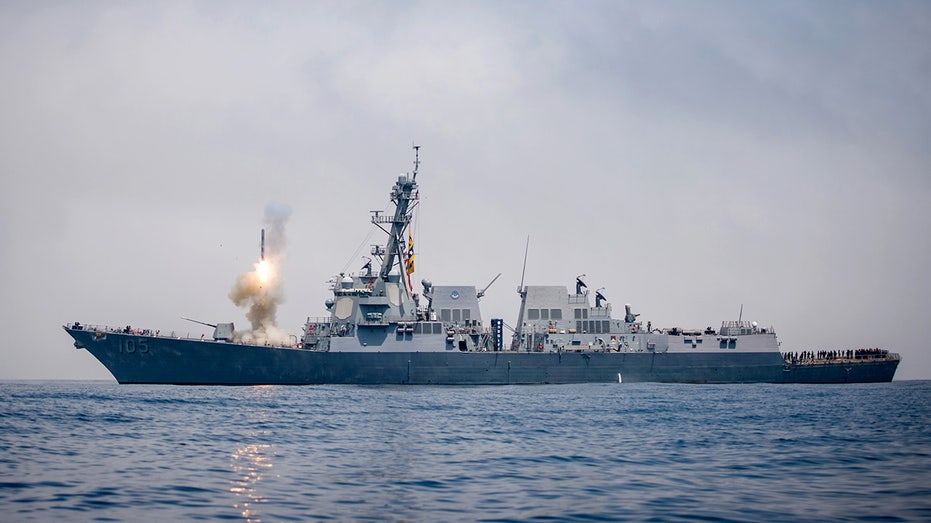
US naval vessels in the region have also been involved in Iranian strikes. (DVIDS/US Navy photo by Mass Communication Specialist 2nd Class Devin M. Langer)
Flynn added that the Energy Information Administration (EIA) released an interim outlook on Tuesday that indicated that higher oil prices are likely to prompt US producers to increase their crude oil output in 2027.
The EIA said that while “changes in oil prices take time to affect production – from investment decisions to export focus to well completions and first oil,” that’s why it sees current price increases having a significant impact on production in 2027 and 2028.
Amid IRAN WAR, PRESIDENT TRUMP RAISES TEMPORARY OIL PRICES ‘MINIMUM PRICE TO PAY’ FOR PEACE.
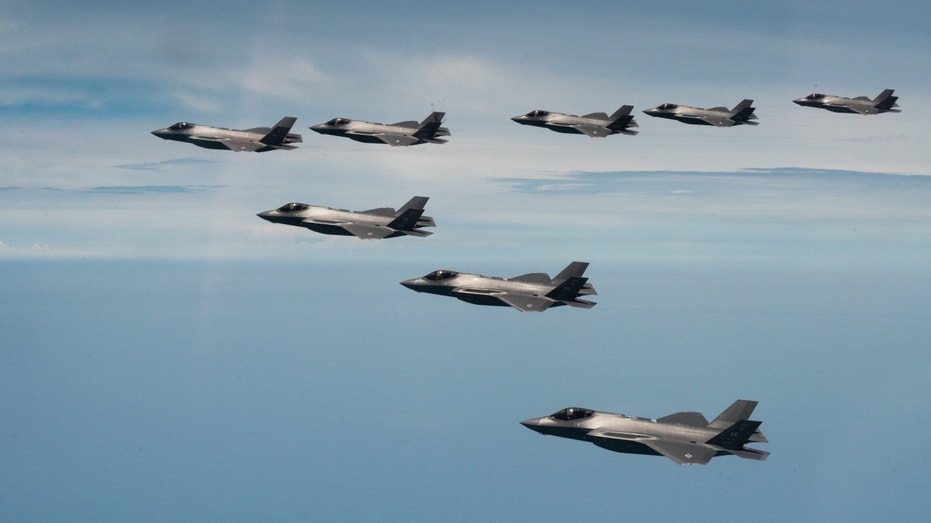
The US military has attacked planes in Iran. (US Air Force/Senior Airman Trevor Gordnier/51st Fighter Wing/DVIDS)
As the war in Iran continues, Flynn noted that if the conflict is able to remove the long-standing threat of the Iranian government closing the Strait of Hormuz and escalating conflicts throughout the Middle East through proxies such as the Houthis in Yemen, it could lead to long-term oil price declines and thus declines.
“We’ve had an Iranian risk premium on oil since Jimmy Carter… it’s never gone away,” Flynn said, noting that insurance costs and perceived risk remain embedded in oil prices despite market volatility over the years.
The latest price hike bears some resemblance to what happened at the start of Russia’s invasion of Ukraine in late February 2022, although oil prices had been rising steadily above $90 a barrel before the attack itself resulted in a rise above $115 a barrel. They hovered around $100 a barrel over the summer before gradually dropping to close to $80 by the end of that year.
GET FOX BUSINESS ON THE GO BY CLICKING HERE
Flynn said the conflict presents a different challenge than the recent oil spike amid the ongoing war in Iran, explaining that “the situation there was different because it wasn’t a lack of things driving prices up — it was a desire to stop buying Russian oil that the market wasn’t ready to replace, and a lot of that was bad energy policy, you know the green energy policies of Europe and Joe Biden.”