At least 10 people have been killed, and more than 100 injured, after Iran attacked all GCC members with US-Israeli strikes in Tehran.
Until February 28, few in the Gulf Cooperation Council (GCC) would have imagined missiles flying overhead, let alone crashing into the glass surfaces of five-star hotels. For decades, cities such as Dubai, Abu Dhabi, and Doha have been promoted as luxurious, safe havens—business and financial hubs that seem immune to the desert’s tyranny and regional unrest, thanks to vast oil wealth.
The latest attack has taken away that feeling of invulnerability.
The economic impact remains uncertain, but the US-Iran war marks a clear turning point. With much of the region still cautious, business activity has begun to slow down and investors are reassessing risks. In January, the World Bank predicted 4.4% growth in the GCC countries this year. However, on March 2, JPMorgan cut its forecast for non-oil growth by 0.3 percent.
“Businesses are quickly shifting into emergency mode: employee safety, job placement, supply, and cash flow discipline,” said Abdulaziz Al-Anjeri, Founder and CEO, Reconnaissance Research in Kuwait. “You also see the immediate attention to ‘risk pricing’—aircraft and cargo collisions quickly translate into higher war risk premiums, insurance costs, and delayed decisions.
Even the most remote areas of the GCC are feeling the effects of the disaster. In Khasab, Oman’s last town on the Strait of Hormuz and a popular tourist destination for outdoor activities, Ali Al Shuaili has a diving center.
“Everything is normal, but the sea is closed so we can’t go fishing or diving and, of course, all tourist bookings have been cancelled,” he told Global Finance via WhatsApp. “Health-wise, it looks normal, but everyone is worried about business. We are praying that everything will be fixed soon.”
In the meantime, banks in the region are absorbing the shock, supported by strong capital and cash reserves.
“We do not see a direct impact on the performance of banks in the UAE or the wider GCC,” said Bader Al Sarraf, Research Analyst at Standard Chartered’s UAE office. “Financial institutions across the region continue to operate normally, supported by strong infrastructure, strong financial systems, and established operational frameworks that allow banks to continue to facilitate transactions and support business activities even in times of great uncertainty.”
Banks and large institutions focus first on continuity—keeping key operations stable: payments, customer access, financial management, and clear authentication, An-Anjeri adds. “In times like these, finance is not just about balance sheets, it’s also about maintaining confidence, because uncertainty can be damaging or physically disruptive.”
Across the region, the prevailing trend among institutions, companies, and investors is to monitor developments rather than take immediate action, according to Al-Sarraf.
“Because the situation remains fluid and in its early stages, many are in the ‘digesting and risk assessment’ stage before making strategic decisions,” he said. “This signals a time for careful observation as developments continue and as businesses and investors assess the potential impacts on all sectors and economic activities.”
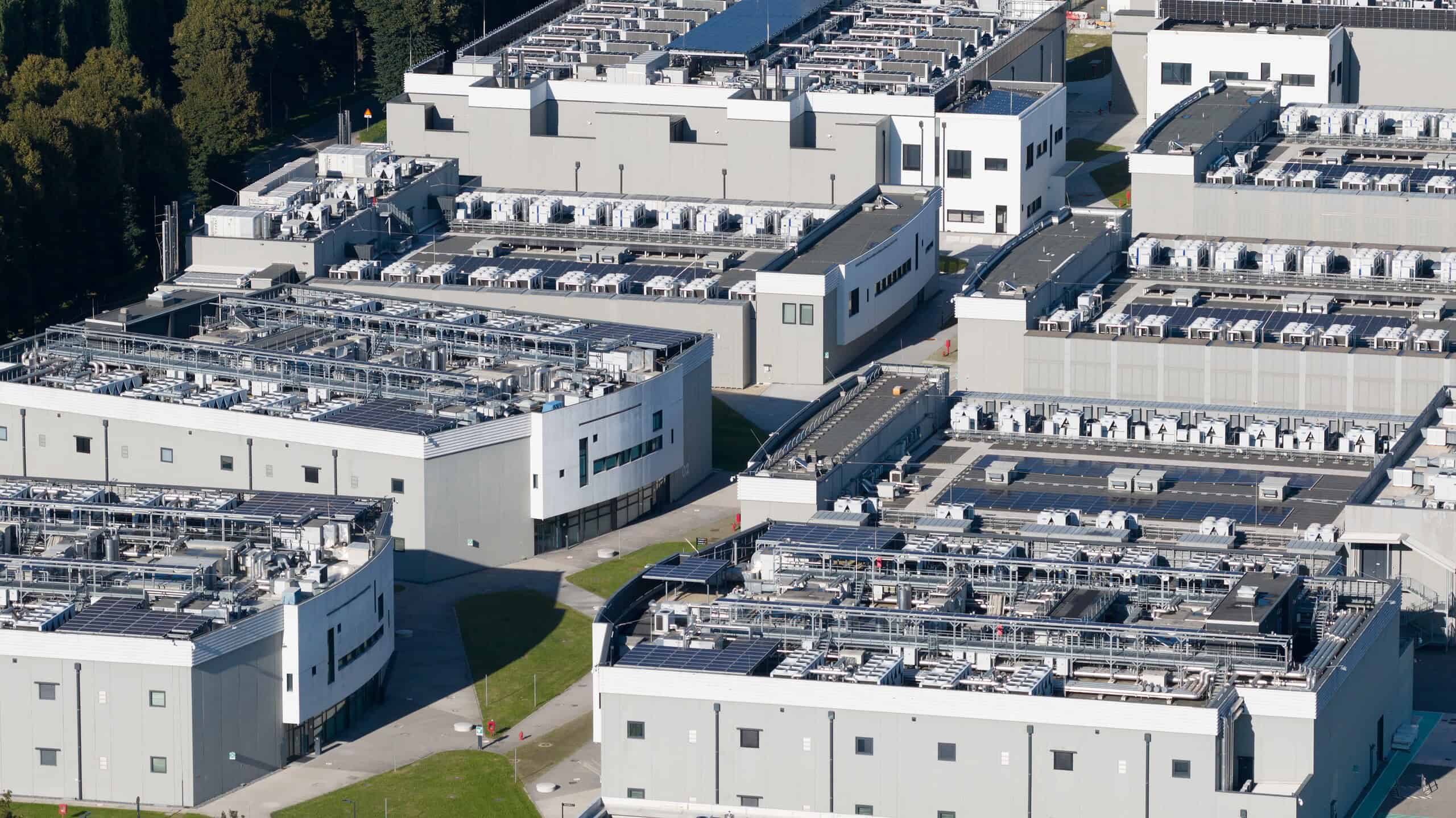
One immediate concern is digital infrastructure. The Gulf has spent years positioning itself as a regional hub for data centers, but the conflict has exposed its risks. Amazon Web Services reported that drones attacked three of its facilities in the UAE and Bahrain, disrupting cloud and IT services across the region. In the UAE, customers of several banks briefly lost access to their online accounts. Such events may cause US technology giants, including Amazon, Microsoft, Google, and Oracle, all of which have invested heavily in the Gulf’s data infrastructure, to review their exposure.
Weaknesses Revealed
The war highlighted structural weaknesses in the region’s economic model. Despite years of diversification efforts, many GCC economies are still heavily dependent on hydrocarbon revenues.
QatarEnergy, the world’s largest producer of liquefied natural gas (LNG), halted production after drones struck two of its facilities. Oil exports are also affected. Saudi Arabia partially shut down the Ras Tanura refinery, one of the largest in the Middle East, with a capacity of 550,000 barrels per day.
Now, all eyes are on the Strait of Hormuz, a key drainage area where nearly a fifth of the world’s hydrocarbons are found. For GCC economies, the disruption translates into billions of dollars in daily income at risk.
“If the war continues, you can get a mixed picture: energy income may benefit from prices, while the wider economy pays with confidence, logistics, insurance, and financial costs,” said An-Anjeri of Reconnaissance Research. “Non-oil companies tend to feel the long-term uncertainty first because they are sensitive to confidence—services, tourism, retail, private investment. GCC states have buffers, but buffers are no substitute for stability.”
Another major concern is food security: The region relies heavily on imports to feed its people, with nearly 70% of food exports coming through the Strait of Hormuz. The system has faced stress tests before—during the Covid-19 crisis, for example, and in 2017 when several GCC countries, including Saudi Arabia and the UAE, imposed an embargo on Qatar. At that time, Doha imported about 90% of its food. Since then, the country has invested heavily in domestic production and is now self-sufficient in milk, but still depends on imports for much else.
Water safety may be the most important risk. About 90% of drinking water in the GCC countries comes from desalination plants. Any disruption, whether due to direct damage or an oil spill affecting coastal areas, could quickly cause a humanitarian crisis within days.
For now, most governments and businesses are in wait-and-see mode. But as conflicts escalate, including in Lebanon and, to a lesser extent, around Cyprus and Turkey… long-term conditions are starting to enter boardroom discussions.
“In the short term, if the war ends quickly, I don’t think it will have a big impact on the banks, but if the conflict continues for weeks and if the flow of oil and gas in the Strait of Hormuz continues to be interrupted for a while, eventually this will affect the GCC economy, public finances, and trade flows,” commented Beirut, the head of the AUnion of Awde research.
In Al-Anjeri, this situation is emerging, there are many studies that are already emerging: “In institutions, it is taken to manage the stress test as a real thing: cyber situations, telecom dependence, access to liquidity, supply-chain choke points, and play books for communication with customers that are ready before the crisis – not written during it,” he says. “Hardware issues, but disaster management is also important: reliable communication, continuous discipline, and mitigation channels so that one incident does not trigger a sequential response.”