Pakistan tries to mediate between US and Iran as Trump says he is ‘giving it five days’

Pakistan is joining a growing list of countries acting as mediators for the United States and Iran, four sources told NBC News, with two of those sources saying a face-to-face meeting could be held in the coming days in Islamabad, Pakistan’s capital.
A media source said Pakistan is in talks with the US and Iran and is “ready to play an active role” in talks to end the war, which has killed more than 2,000 people and displaced millions as it enters its fourth week. A Gulf official said Pakistan had been exchanging messages between the two countries for the past two days.
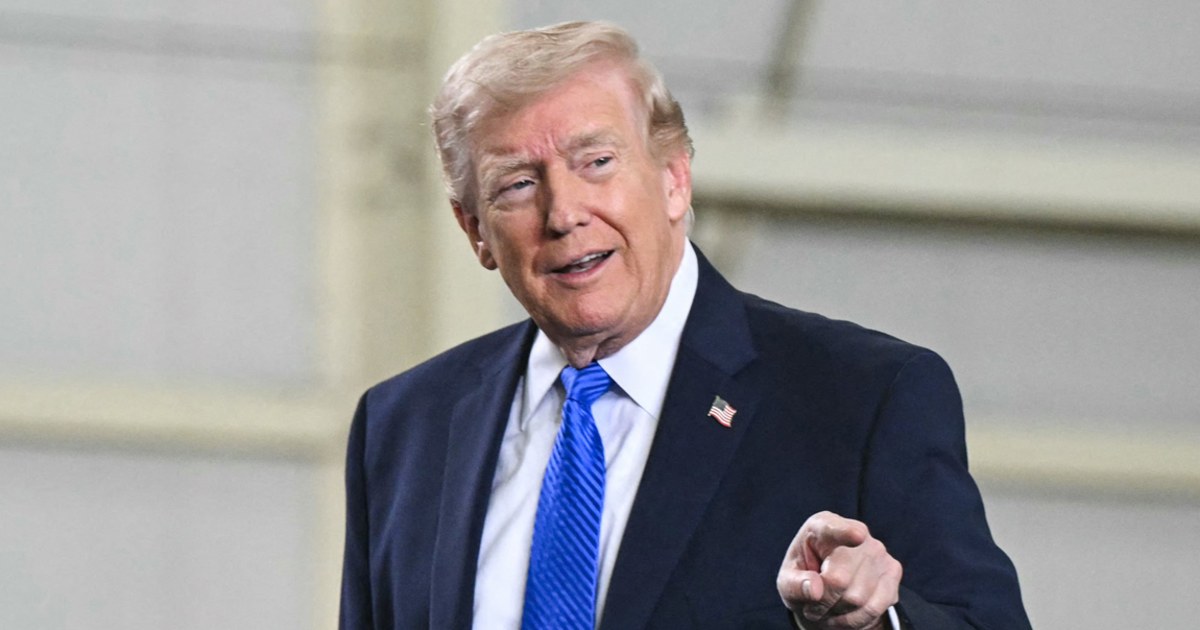
For the first time since the conflict began over the US-Israeli strikes on February 28, President Donald Trump said on Monday that the US and Iran had “very good and productive talks” and that the talks would “continue throughout the week.” The announcement was in response to a presidential decree over the weekend demanding that Iran reopen the Strait of Hormuz within 48 hours or the US will “destroy” the country’s energy industry.
“We’re doing a five-day period. We’ll see how that goes, and if it goes well, we’ll finally get this fixed,” Trump told reporters of his decision to postpone US strikes on Iran’s energy infrastructure. Otherwise, we will continue to blow our little hearts out.
Senior Iranian officials, including the speaker of Iran’s parliament, Mohammad-Bagher Ghalibaf, denied on Monday that the talks had taken place and accused Trump of trying to “manipulate the financial and oil markets and run away from the mess the US and Israel are stuck in.”
But Esmail Baghaei, a spokesman for Iran’s Foreign Ministry, admitted to the official IRNA news agency that Iran had received messages in recent days from “some friendly nations conveying America’s request to end the war,” and that appropriate responses had been given.
FORSUBSCRIBERS
01:44
Trump praises progress in talks with Iran
00:0000:00
Pakistan, embroiled in its own deadly conflict with neighboring Afghanistan, is one of at least three countries – along with Turkey and Egypt – acting as intermediaries between the US and Iran, according to a source familiar with the diplomatic efforts.
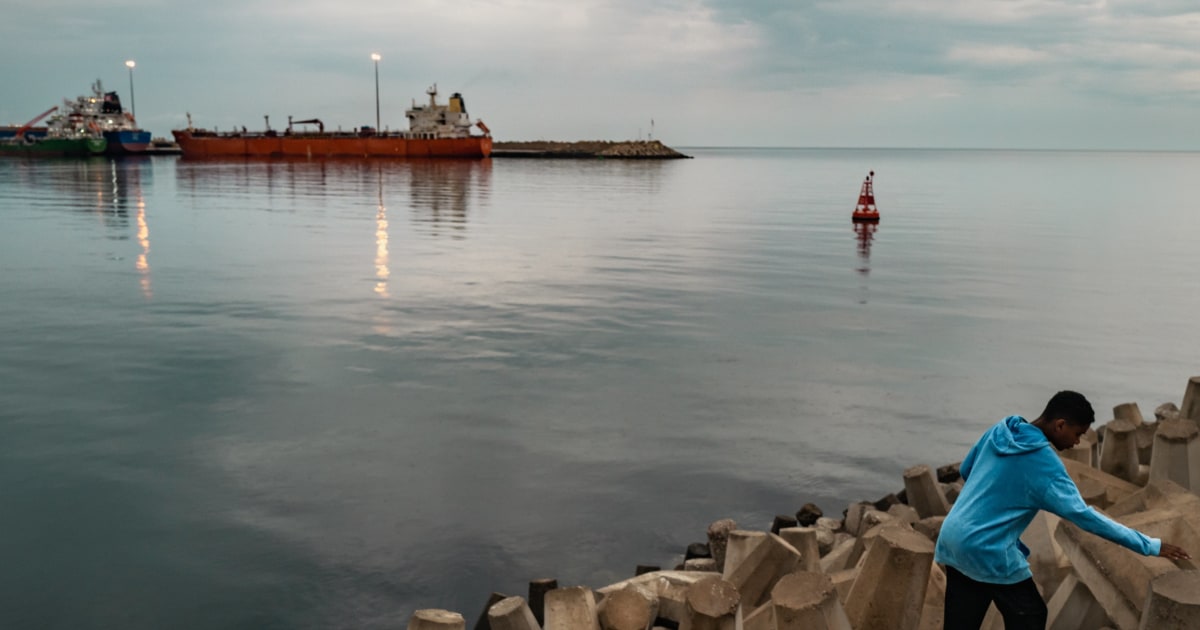
Iran’s successful closure of the Strait of Hormuz, a key shipping lane along its southern coast that carries nearly a fifth of the world’s oil, has been a disaster for Asia, especially Pakistan. The South Asian country of about 260 million people relies on the Gulf states for most of its imported crude oil and all of its liquefied natural gas.
A Middle East diplomat briefed on possible indirect talks between the US and Iran said there were “talks about talks” and that there might be a meeting in Islamabad.
Asked about a possible meeting between the US and Iran in Pakistan, the media source said “good news” but there are many suggestions and nothing confirmed.
The White House did not confirm that Pakistan was acting as a mediator with Iran.
“These are sensitive discussions and the US will not be discussing them with the media,” press secretary Caroline Leavitt said. “This is a critical situation, and speculation about the meetings should not be considered final until they are officially announced by the White House.”
Pakistan’s Prime Minister Shehbaz Sharif spoke to Iran’s President Masoud Pezeshkian on Monday and “expressed his deep concern over the ongoing dangerous conflicts in the Gulf region.”
“In view of this critical situation, the Prime Minister emphasized the urgent need to work together to reduce the decline and to return to dialogue and negotiations between all neighboring countries to resolve their differences,” according to a statement from the Ministry of Foreign Affairs of Pakistan.
“While engaging with the President of Iran in efforts to communicate with the leadership of Pakistan, the Prime Minister assured the leadership of Iran that Pakistan will continue to play an active role in maintaining peace in the region,” it added.
The Egyptian Minister of Foreign Affairs Dr. Badr Abdelatty also held separate calls with US Special Envoy Steve Witkoff and Iranian Foreign Minister Abbas Araghchi on Sunday, as well as the foreign ministers of Pakistan, Turkey and Qatar.
“Minister Abdel-Aty emphasized during the discussions the importance of restraint and wisdom at this critical time,” according to the study of the Ministry of Foreign Affairs of Egypt, “and the importance of ensuring the safety of navigation at sea and preventing any disruption to it, due to its regional and global economic consequences and its impact on trade, prices, and oil and food.”
On Monday, Trump called the talks between the US and Iran “preliminary” but expressed hope that the two sides could reach an agreement.
“I think there is a good chance that we will end up in an agreement,” he said. “And then we give it five days, and then we’ll see where that takes us.”