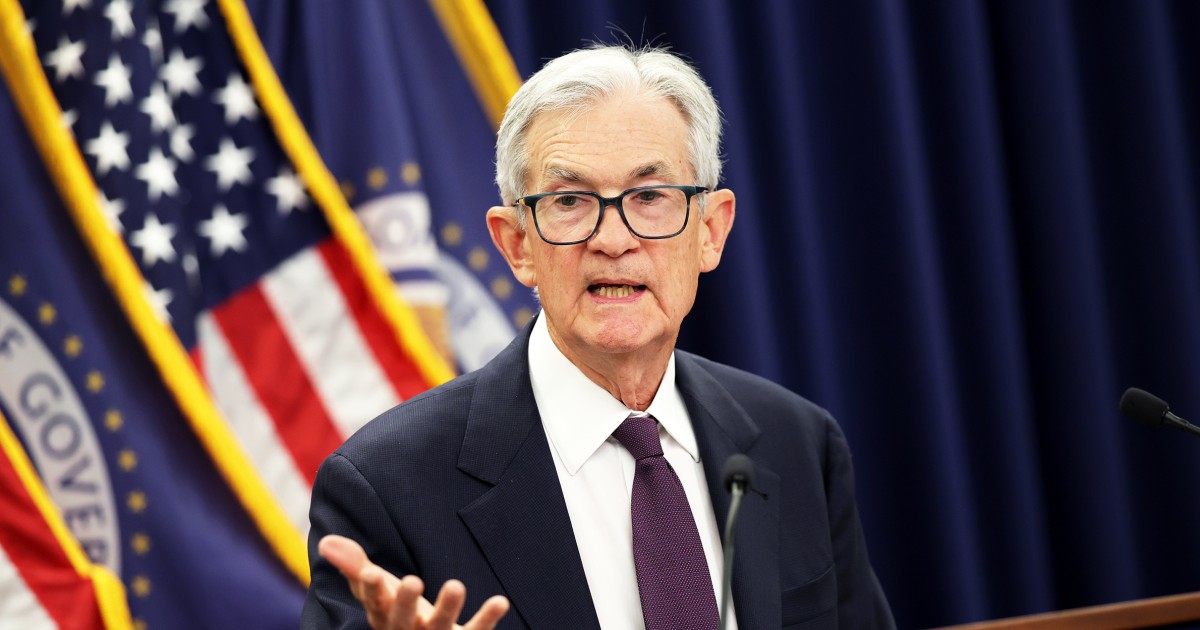
Inflation slowed in February — but the latest reading offers little clarity to Federal Reserve officials, who are navigating a tightening economic environment.
Consumer prices rose 2.4% from a year ago, according to new government data released Wednesday, a figure that suggests inflation has been cooling steadily to the Fed’s 2% target.
But now, a sudden spike in oil prices tied to the war in Iran threatens to reverse that progress and could keep the central bank in a holding pattern when it comes to interest rates. The Fed’s policy-setting committee will make a decision on the next interest rate in about a week.
“Given the events in the Persian Gulf policymakers and the public can afford to ignore the February US Consumer Price Index,” wrote Joe Brusuelas, chief economist at RSM. He expected inflation to rise to 3% in March and 3.5% “or higher” in April, as higher energy prices begin to filter through the data.
“That won’t provide much comfort to the US central bank, which will now focus like a laser beam on short- and medium-term inflation expectations,” Brusuelas wrote.
The national average price of gasoline, which takes into account inflation, reached $3.58 a gallon on Wednesday, according to AAA, up $0.64 from last month. The highest level since May 2024. Meanwhile, US crude oil prices, a key component of gas, remained volatile after rising earlier in the week. Even after pulling back from that high, prices are still up nearly 30% from before the conflict began two weeks ago.
The spike is due to the successful closure of the Strait of Hormuz, a narrow waterway at the southwestern tip of Iran through which tankers carry about one-fifth of the world’s oil.
On Wednesday, the 32 countries that make up the International Energy Agency unanimously agreed to release 400 million barrels of oil from their reserves in an effort to bolster global supply and curb rising prices.
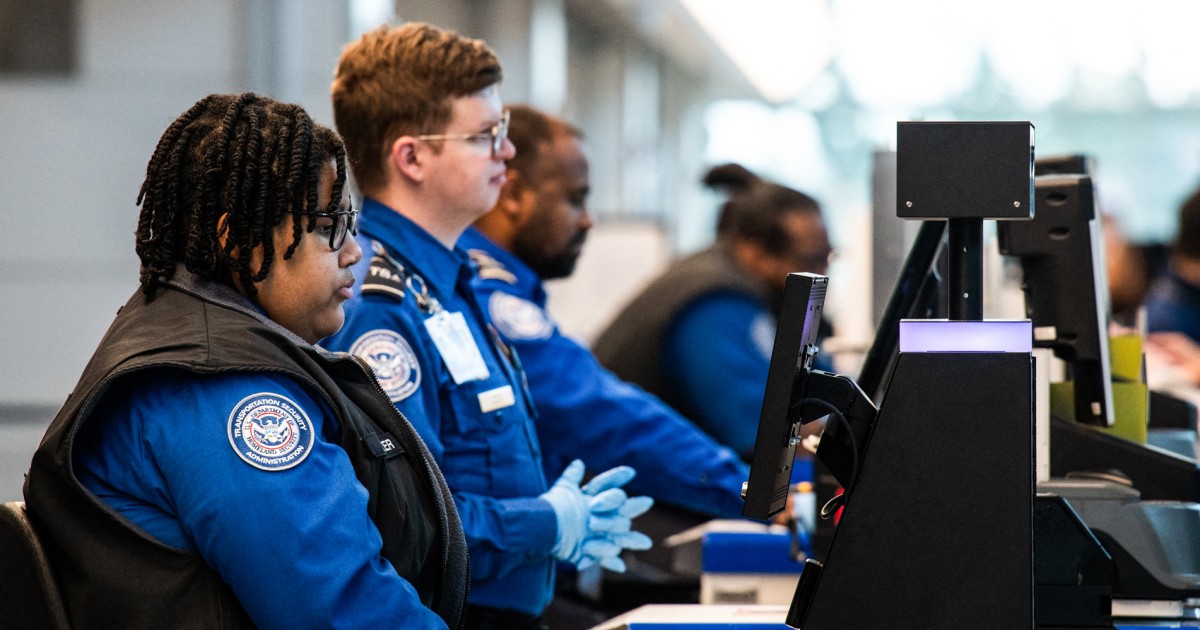
But inflation is not the only concern of Fed policymakers. The US labor market is also weakening.
New data from the Bureau of Labor Statistics released Friday showed the US economy lost 92,000 jobs last month, while revisions to December and January revealed 69,000 fewer jobs than originally estimated.
“This labor market weakness is consistent with a move toward improved productivity and cost reductions from many technological advances, but we have yet to see the true impact of AI-related changes on the labor market,” Rick Rieder, chief global fixed income investment officer at BlackRock, wrote in a note to clients on Wednesday.
“That puts the Fed in a challenging position, as the central bank will have to consider a major policy accommodation if the labor market weakens significantly, but amid an oil price shock the timing of such a move is highly uncertain.”
In general, signs of a softening labor market could push the Federal Reserve to consider lowering interest rates in order to secure higher, more sustainable employment – one part of the central bank’s dual mandate, which includes keeping prices stable and keeping inflation close to its 2% target.
But the Iran war complicates that calculation, as inflation worries persist and leave policymakers to weigh competing risks.
And it doesn’t end there. Economists have also begun to flag concerns about consumer spending, which was expected to see a big boost from the new tax laws included in President Donald Trump’s “One Big Beautiful Bill.”
But so far, expectations have not matched reality.
Citi noted that around the middle of the tax season, individual federal refunds are tracking nearly $30 billion higher than last year, below other estimates that had projected a $100 billion increase for US households.
A weaker-than-expected fiscal position could weigh on spending in the coming months, and ultimately drag on economic growth.
“Consumer spending is likely to slow this year due to weaker-than-consensus-expected inflation and growth in overall activity,” Citi economists wrote.
For the Fed, the risk is a familiar but unacceptable situation: high rates are accompanied by slow growth – a phenomenon known as “stagflation” – that could make it difficult for the central bank to lower interest rates and ease pressure on American consumers.
Adding another layer of uncertainty is the volatility of the tax outlook.
Last month, the Supreme Court struck down many of President Donald Trump’s tax bills, ruling them unconstitutional. Trump has since replaced some of those tariffs with a 10% global tariff, but it is not clear how the new tariffs will affect prices or whether refunds will be issued for taxes already collected.
According to the Penn Wharton Budget Model, up to $175 billion in tax refunds are at risk.
“Until the opening of the Strait of Hormuz and unrest in the Middle East, the Federal Reserve is likely to refrain from any action on interest rates,” wrote Skyler Weinand, chief investment officer at Dallas-based investment advisory firm Regan Capital.
He added, “The Fed now has taxes, potential tax refunds, high energy prices and weakening employment that must be addressed to clarify any kind of what to do next.”
Until then, it will wait until the fog clears and see the mode, again.